

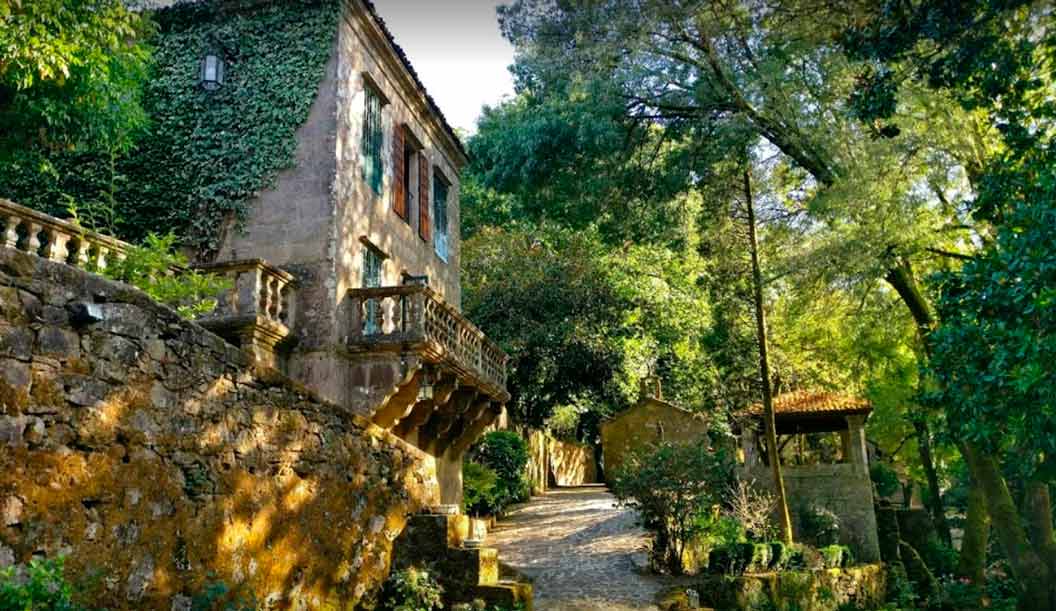
Galicia is a land of lush landscapes, ancient legends, and unique architecture, which finds its highest expression in the iconic pazos—historic manor houses that reflect the region’s noble past.
A pazo is a traditional Galician stately home, once the residence of wealthy noble families. These constructions, heirs to medieval castles, stand out for their solid architecture and seamless integration into the rural landscape.
Pazos of Galicia: a noble history
Pazos are not merely houses; they are architectural complexes that include the main residence, often adorned with a coat of arms, alongside auxiliary buildings such as hórreos (grain stores), dovecotes, chapels, and extensive gardens featuring exotic plant species. Today, the queen of Galician pazo gardens is the camellia.
The golden age of pazos spanned from the 17th to the 19th centuries.
However, from the 19th century onwards, their original function diminished, and they became private residences, many of which are now rural accommodations or cultural heritage sites.
At their peak, pazos were the social and political hubs of Galicia. Some played key roles in history, such as:
- Pazo de Oca, often called the “Galician Versailles” due to its spectacular gardens.
- Pazo do Faramello, Galicia’s first industrial pazo, originally built as a paper factory.
Pazos, Casas Grandes, and Rectorales: what’s the difference?
Galicia’s rural architecture includes several types of historic buildings, particularly pazos, casas grandes, and rectorales. Although they may seem similar, they have distinct characteristics:
- Pazos: the most prestigious residences, built by nobility. They are linked to important lineages and usually feature monumental chapels and gardens.
- Casas Grandes: of a lower rank than pazos, these belonged to wealthy families, not nobility. Their architecture is similar but less grand, and they typically lack additional annexes.
- Rectorales: former parish houses where priests lived. Although they have religious origins, many have been restored and converted into luxury rural accommodations.
Today, many pazos, casas grandes, and rectorales have been transformed into exclusive boutique hotels, making them the five-star experience of rural tourism in Galicia.
Pazos of Galicia in Literature and Cinema
The mystique of Galician pazos has inspired numerous works of fiction, from literature to film. The most famous literary example is Los pazos de Ulloa by Emilia Pardo Bazán, which portrays the decline of rural Galician nobility in the 19th century.
In film and television, some pazos have served as stunning backdrops for productions that capture the essence of Galicia:
- Pazo de Oca has appeared in multiple films, including Pedro Almodóvar’s The Skin I Live In.
- Pazo de Tambre was featured in the hit series Fariña (Netflix Original ‘Cocaine Coast’ )and Vivir sin permiso.
- Pazo de Lourizán, one of the most architecturally unique pazos, was showcased in The Shadow of the Law, starring Luis Tosar.
For years, pazos were also linked to the dark history of drug trafficking, a theme that has been explored in various crime dramas and documentaries.
Pazos and Camellias: a must-wee winter experience in Galicia
One of the most breathtaking features of many pazos in Galicia is their spectacular camellia gardens.
Introduced to Galicia in the 18th century, camellias have flourished in the Atlantic climate, adding an explosion of color and beauty to historic gardens.
Originally from Japan, the camellia has adapted perfectly to Galician soil and weather conditions. Blooming in winter, these flowers bring vibrancy and charm to the landscapes of Galicia.
Beyond their aesthetic appeal, Galician camellias are now used in natural beauty and skincare products.
Camellia-based essential oils, creams, and perfumes are gaining popularity for their hydrating and antioxidant properties.
Pazos and wine tourism: a fusion of history and Galicia’s finest wines
Some pazos have evolved into wineries, blending history with Galicia’s deep-rooted winemaking traditions.
In places like Pazo de Rubianes, visitors can immerse themselves in Galicia’s wine culture with exclusive wine tourism experiences, including:
- Tours through centuries-old vineyards
- Tastings of Galicia’s top wine denominations
- Pairings with local gourmet products
These pazo wineries offer a perfect fusion of heritage, wine culture, and tourism, making them essential stops for wine lovers exploring Galicia.
Discover the Pazos of Galicia and their camellia gardens with Rutas Meigas
Discovering Galicia’s pazos means stepping into centuries of history, tradition, and natural beauty.
From stays in former noble residences to walks through breathtaking gardens and vineyards, every visit to these magical sites leaves a lasting impression.
At Rutas Meigas, we design customized itineraries to help you explore the most emblematic pazos, stroll through their stunning gardens, and experience Galicia at its finest.
Are you ready to explore these legendary settings?

Comment (0)