
Inquiry Call me

Camino del Norte from San Sebastián to Santiago

From

3400 €*

Distance

~ 795 km

Duration

41 days / 40 nights

Difficulty

Medium - High

Bed and breakfast

Private room with bathroom

Backpack transport

Guided visit of Santiago

*Price per person in a double room.

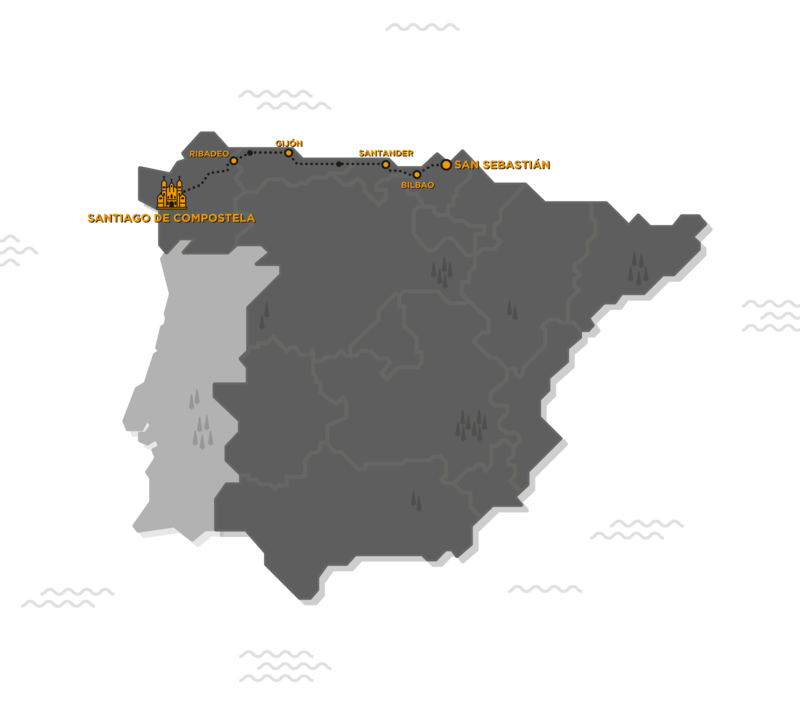
mapa ilustrado
View More
Expand All
Day 1: Arrival in San Sebastián

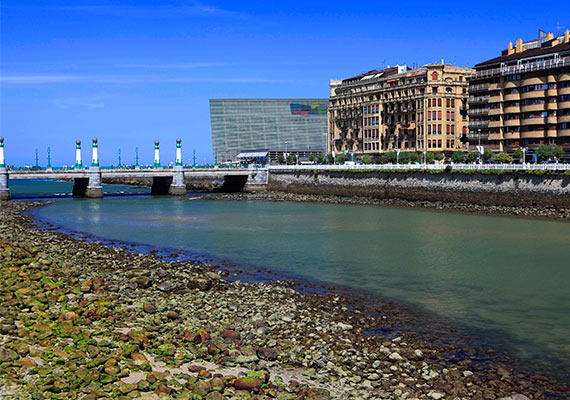
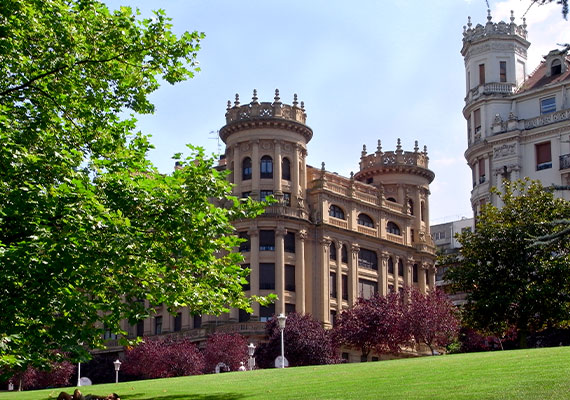
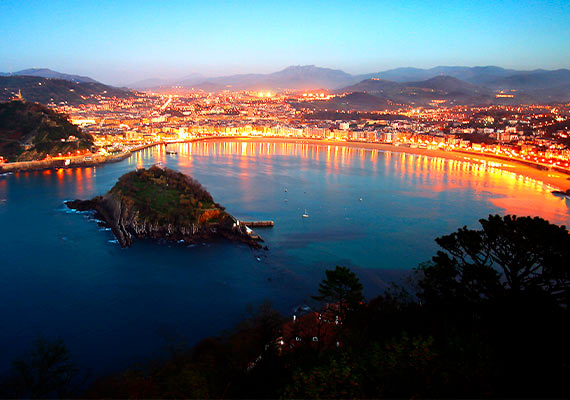
Just as Paris is worth a fair, every motive is good to get to know San Sebastián. La Concha Bay presides over the city, a city that combines tradition and modernity. We are also in the Basque Country with its more than remarkable gastronomy, so it is not a bad idea to do a good pintxos route to gather strength before you embark on the Way of St. James. His monuments include the San Telmo Museum, the Victoria Eugenia Theater and the María Cristina Hotel, both in neoplateresque style, the Buen Pastor Cathedral and of course Rafael Moneo's modern Kuursal building.Arrival in San Sebastián on your own.

Accommodation in San Sebastian


Day 2 : San Sebastían - Zarautz (22.3 km ~ 5 hours)

Difficulty level: medium to high.

We start our Camino del Norte from San Sebastián. We leave the ascending Monte Igueldo, which closes the Bahía de la Concha. It's an important slope, so you have to face it in a good mood, a spirit that, without a doubt, doesn't offer the wonderful view of the city that we left behind. This is a phase in which good prospects will prevail, both from Igueldo and from the descent to Zarautz, the end of today. We drive through the fishing village of Orio with an interesting old town, in which the church of San Nicolás de Bari stands out.


Accommodation in Zarautz

Day 3: Zarautz - Deba (21.8 km ~ 5 hours)

Difficulty level: medium to high.

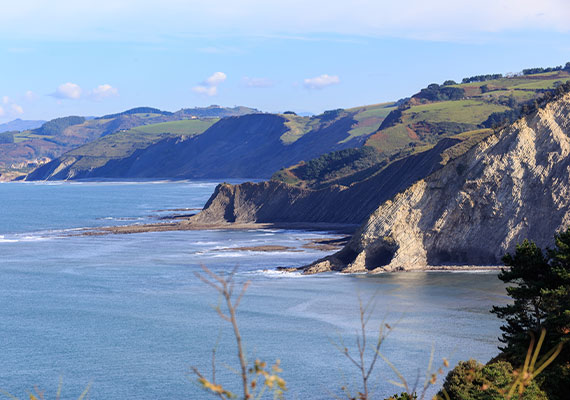
Stage similar to that of the previous day, in which ascents and descents predominate again, but also the wonderful view of the coast, which is dominated by the Cantabrian Sea. We will have to consider three climbs, one at the beginning and one towards the end, although we will end the stage with the descent from Itziar to Deba, a descent in which precautions have to be taken with slips during the rainy season.


Accommodation in Deba.

Day 4: Deba - Markina (24 km ~ 6 hours)

Difficulty level: high.

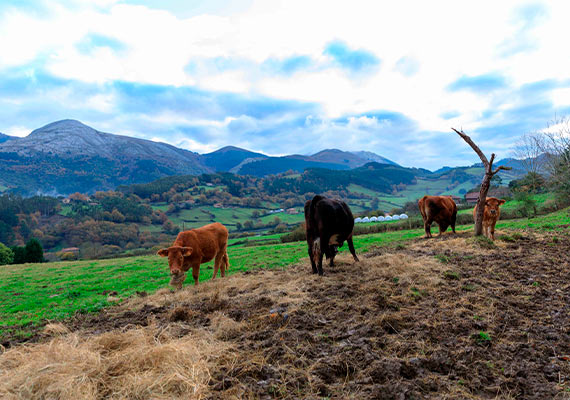
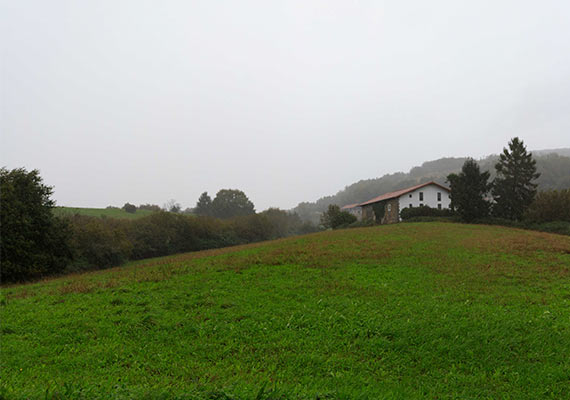
The route gets harder when we leave the coastal landscape and enter mountainous areas inland. We will visit beautiful valley areas that are typical of the Basque Country. It is an area without important cities, we will find only a few farmhouses here and there, so it is advisable to get used to it well.


Accommodation in Markina.

Day 5: Markina - Gernika (24.6 km ~ 6 hours)

Difficulty level: high.

Again we face significant ups and downs. The most difficult part of the stage is the ascent from Bolibar to Ziortza. In this city we can take a short break to relax and visit the Zenarruza monastery and its cloister. Upon arrival at our destination, it is recommended to visit the meeting house and the Guernika tree.


Accommodation in Gernika.

Day 6: Gernika - Lezama (20.8 km ~ 5 hours)

Difficulty level: medium to high.

We start the day with the most important climb of the day with a gradient of about 300 meters. We are in the heart of the Urdaibai Biosphere Reserve, so it is worth quietly enjoying the natural landscapes that accompany us, even though we are still in a difficult geographical area. In today's phase we come through the city of Larrabe, where Eneko Atxa operates its two restaurants with a Michelin star, Azurmendi (***) and Eneko (*).


Accommodation in Lezama

Day 7: Lezama - Bilbao (10.8 km ~ 3 hours)

Difficulty level: medium.

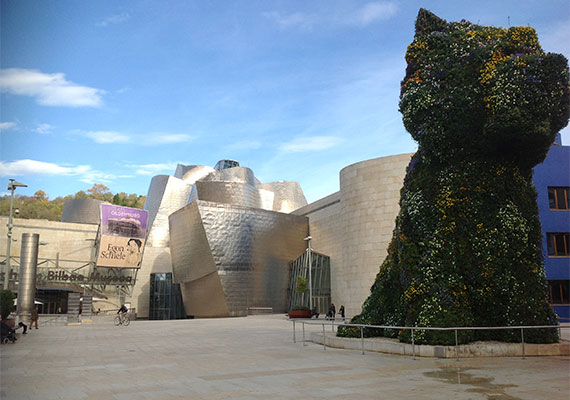
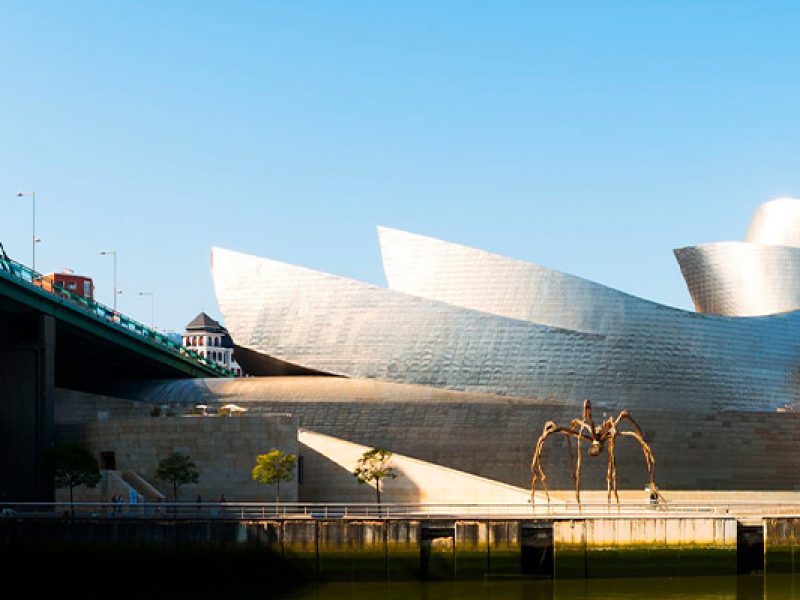
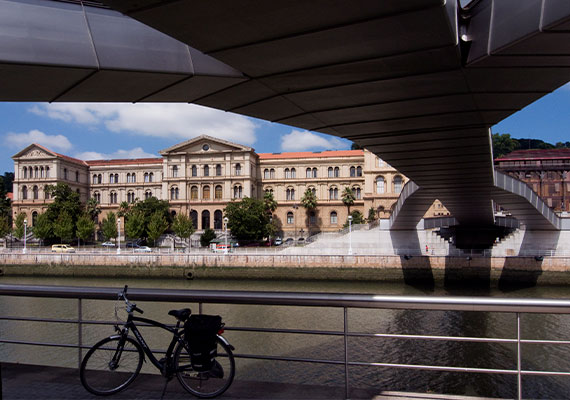
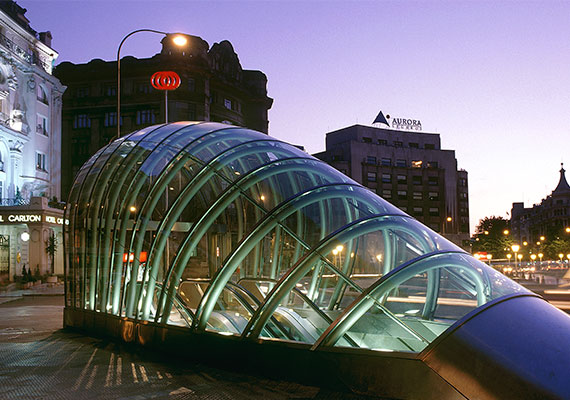
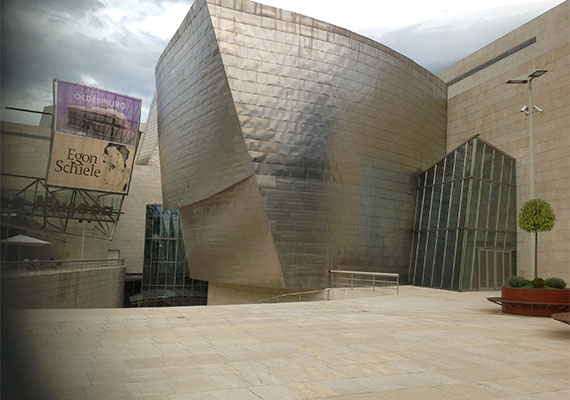
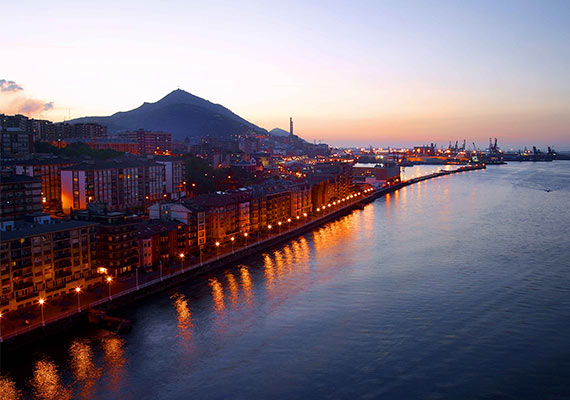
After several stages with around twenty kilometers, we face a much shorter one. We will also have only one climb, Mount Avril, with a 300m gradient, but quite progressive so it is not overly difficult. The descent leads us to the historical center of Bilbao, past the Basilica of Our Lady of Begoña. In Bilbao, besides Santiago de Compostela, we find the only cathedral on the Spanish mainland that is dedicated to Santiago Apóstol. Visits to the old town's taverns are also essential for a traditional pintxo tour and of course for the Guggenheim Museum.


Accommodation in Bilbao

Day 8: Bilbao - Portugalete (19.4 km Official Camino - 12.4 km along the river ~ 4 hours)

Difficulty: easy.

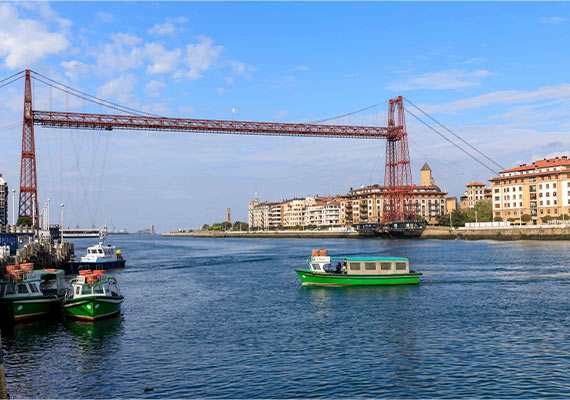
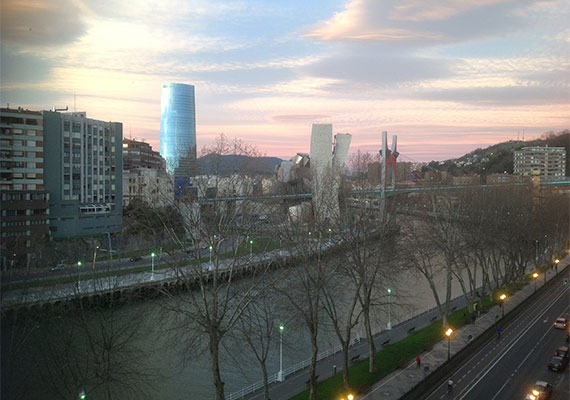
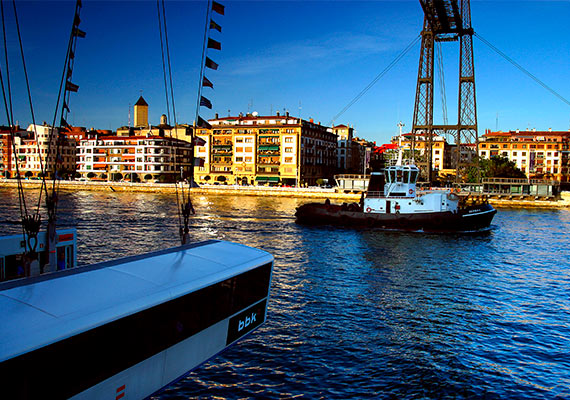
The beginning of today's stage covers a large part of the city of Bilbao. It is an urban part of the Way of St. James, which is quite surprising for some pilgrims. You can make two sections, the official one, longer, or you can follow the Nervión along its course, which saves us several kilometers. Each of the sections is fairly simple and flat. We reach Portugalete via the impressive Vizcaya Bridge across the river.


Accommodation in Portugalete.

Day 9: Portugalete - Castro Urdiales (27.6 km ~ 7 hours)

Difficulty level: medium.

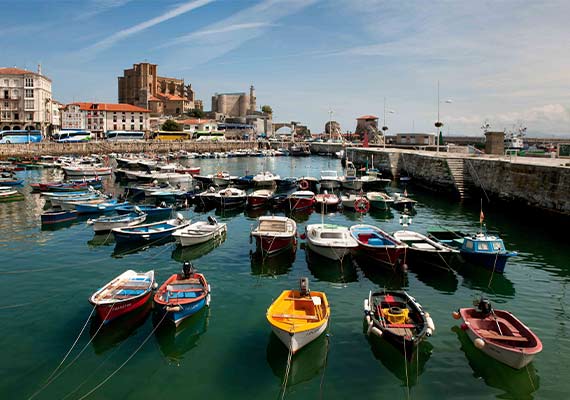
In today's phase we will enter Cantabria and restore the sections of the Camino next to the Cantabrian coast for the following days. If we leave the city of Ontón, we will find two variants, the official one or the one that follows the national road, which used to be very busy and is now quieter thanks to the motorway. The national variant is shorter than the official variant. However, we definitely recommend taking the appropriate precautions for the sections along the roads when selecting this second option. We will end up in the beautiful fishing village of Castro Urdiales.


Accommodation in Castro Urdiales.

Day 10: Castro Urdiales - Laredo (26.6 km ~ 6 hours)

Difficulty level: medium.

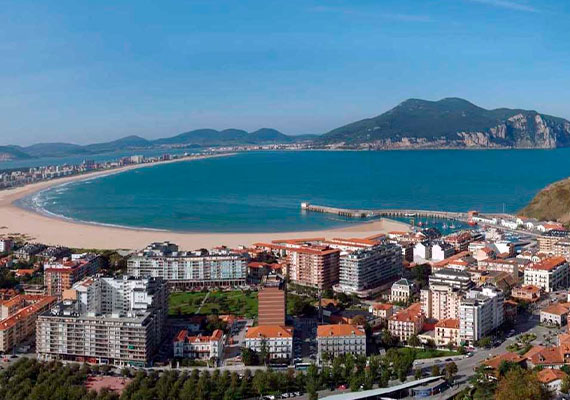
Again we find the opportunity to shorten the stage along the national road, although on today's trip it is worth following the official path for the beauty of the passages that crosses it between the Cantabrian coast and the inland valleys with green forests. On the official road we find a second variant that saves us about three kilometers, the crossing of La Magdalena. All options are perfectly marked and it is the pilgrim's choice which one he prefers. The end of our stage, Laredo, is a tourist town with wonderful beaches.


Accommodation in Laredo.

Day 11: Laredo - Noja (14 km ~ 3 hours)

Difficulty level: low-medium.

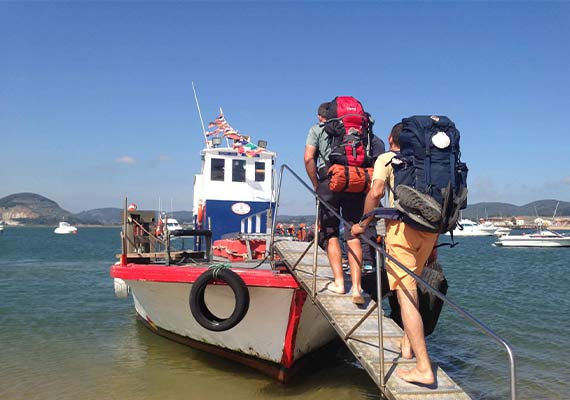
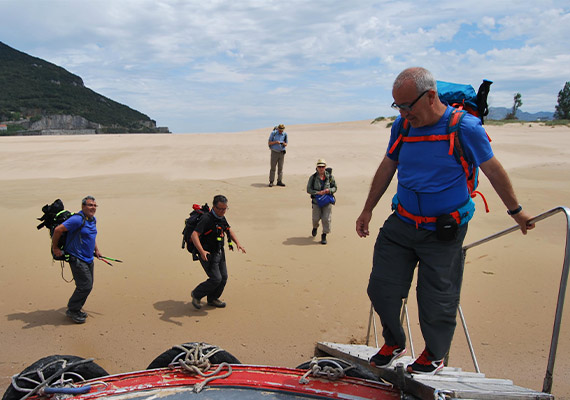
Today the Camino turns into a little maritime adventure: we’ll take a boat across the Treto estuary to Santoña, famous for its anchovies and long-standing canning tradition. From there, we walk through marshlands, natural trails and quiet forests until we reach Noja, a coastal town with a laid-back, summery vibe, long beaches, and elegant “Indiano” architecture. It’s a short stage — perfect for recharging after previous efforts.


Accommodation in Noja.

Day 12: Noja - Santander (30 km ~ 8 hours)

Difficulty level: medium.

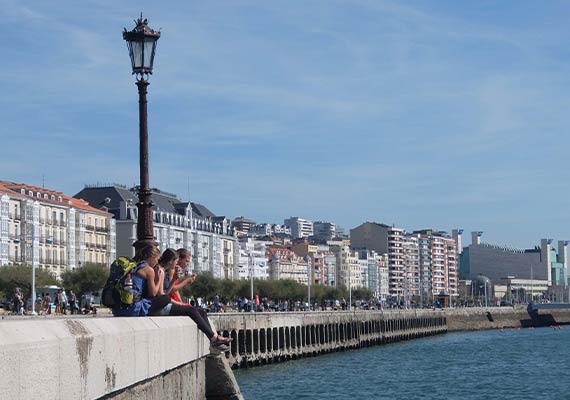
A varied stage that blends rural, urban, and coastal landscapes. From Noja, the path leads to Galizano and Loredo, through fields, cliffs, and small countryside churches. The highlight comes at the end of the day: a scenic boat ride across the bay from Somo to Santander, with the silhouette of the city, the Magdalena Palace, and the Sardinero beaches welcoming you. Santander is elegant, peaceful, and full of charm — perfect for an evening stroll, a seafood dinner, or simply watching the waves.


Accommodation in Santander.

Day 13: Santander - Arce (17 km ~ 4 hours)

Difficulty level: low - medium.

We leave the Cantabrian capital behind and step back into the rural side of the Camino. The day begins with a stretch through the suburbs to Peñacastillo, and then on to Boo de Piélagos, where, depending on the tide, pilgrims either cross the Pas River by bridge. A short but pleasant walk through fields and small hamlets takes us to Arce, a peaceful village with river views and that serene, inland Cantabrian atmosphere.


Accommodation in Arce

Day 14: Arce - Santillana del Mar (20 km - ~ 4 hours)
Day 14: Arce - Santillana del Mar  (20 km -  ~ 4 hours)

Difficulty level: medium.

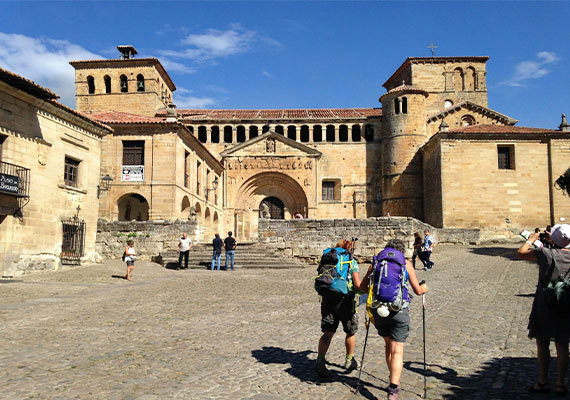
Today’s Camino combines rural charm with medieval beauty. We walk along farm tracks, forest paths, and through small villages like Mogro and Cóbreces. Arriving in Santillana del Mar is one of those unforgettable moments on the Camino. Known as “the town of three lies” — it’s not holy, not flat, and has no sea — it does offer one of the best-preserved medieval town centers in Spain. Cobbled streets, noble manor houses, and the majestic Collegiate Church of Santa Juliana make this stage a journey back in time.


Accomodation in Santillana del Mar

Day 15: Santillana de Mar - Comillas (22.1 km ~ 5 hours)

Difficulty level: medium.

The route that awaits us in its originality today runs away from the sea and is mostly paved. Fortunately, they reformed part of the route and now we get to Luaña Beach, where we enjoy a few kilometers offshore. For those who prefer it, they can choose the original route. In general, it is a stage with moderate climbs without any significant difficulties. We come through cities like Cóbredes, where we can see the Cistercian monastery. The day ends as soon as we reach Comillas. Comillas a charming city, it is worth walking the streets to discover this beautiful city. Sights include Gaudi's Capricho and the Palace of Sobrellano.


Accommodation in Comillas.

Day 16: Comillas - San Vicente de la Barquera (11 km ~ 3 hours)
Day 16: Comillas - San Vicente de la Barquera  (11 km ~ 3 hours)

Difficulty level: low.

A short stage, more of a salty seaside stroll than a hike. The path follows the coastline on easy trails, with the sea to our left and the Picos de Europa rising on the horizon — a hint of what’s to come in Asturias. San Vicente de la Barquera welcomes us with its medieval bridge, hilltop castle, and the Gothic Church of Santa María de los Ángeles. The Camino here smells like the sea, fresh fish, and long summer evenings. Perfect for a relaxed arrival.


Accommodation in Comillas.

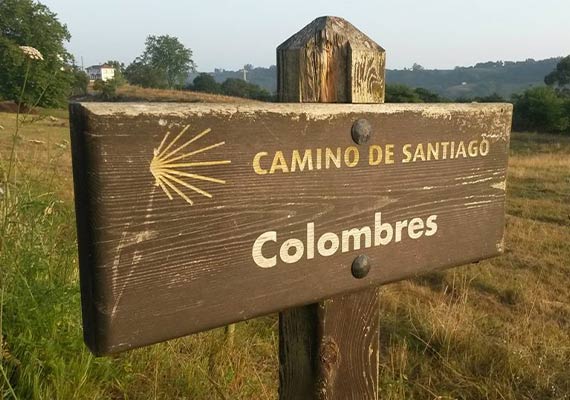
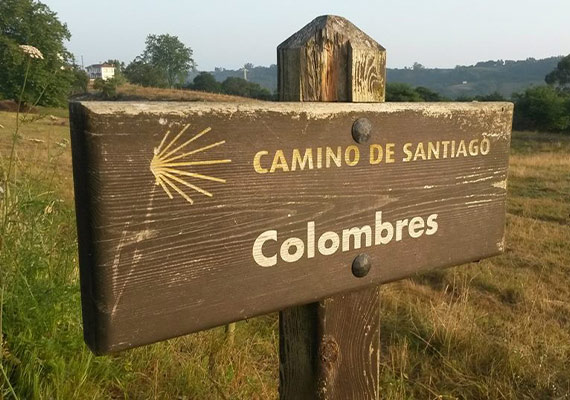
Day 17: San Vicente de la Barquera - Colombres (19.3 km - ~ 4 hours)
Day 17: San Vicente de la Barquera - Colombres (19.3 km -  ~ 4 hours)

Difficulty level: medium.

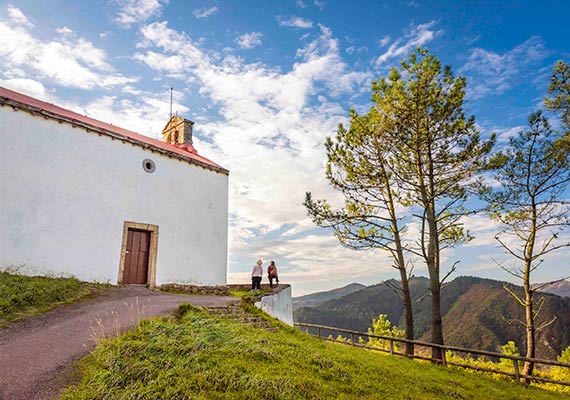
Today we say goodbye to Cantabria and take our first steps into Asturias. The scenery is breathtaking: untouched beaches, winding rivers, and mountain silhouettes in the background. A climb up to the Hermitage of San Antonio rewards us with stunning views. We cross the Tina Mayor estuary and enter Asturias via the town of Unquera, and after a few more kilometers, reach Colombres, a colorful “Indiano” town with colonial-style houses and the Archivo de Indianos, a cultural gem.


Accomodation in Colombres

Day 18: Colombres - Llanes (23.2 km ~ 5 hours)

Difficulty level: easy.

A day with beautiful landscapes awaits us. We walked the first few kilometers until we reach Pendueles, where, as in previous stages, we can choose whether we want to follow the official path or take the coastal path. This path is marked with red and white markings. We recommend following the path as it is much more beautiful at the landscape level. Today we have the most difficult climb when we pass Andrín. A few kilometers away is Llanes, the final destination of today's stage. Llanes has a monumental complex of particular interest, but the "Cubes of Memory", an artistic work in the port, should also be highlighted as a mandatory stop.


Accommodation in Llanes.

Day 19: Llanes - Nueva (18 km ~ 4 hours)

Difficulty level: low- medium.

A quiet, coastal stage — ideal for unwinding and soaking in the landscape. We pass beautiful beaches like Celorio and Barro, and small hamlets where time seems to move slower. The mountains loom in the distance, reminding us that this is Asturias: lush, green, peaceful. Nueva is a welcoming village with everything you need for a well-deserved rest before continuing deeper into Asturias.

Accommodation in Nueva

Day 20: Nueva - Ribadesella (19.4 km ~ 4 hours)

Difficulty level: easy.

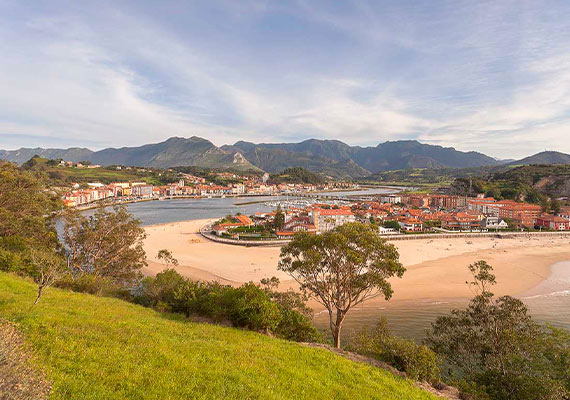
A short stage — almost a gift for your feet. We leave Nueva along coastal paths and forest trails, arriving at Ribadesella, a town famous for the Sella River canoe race, but also for its historical charm. The river flows into the sea here, framed by gentle hills and an animated town center. Don’t miss a walk along Santa Marina beach, lined with beautiful Indiano houses, or the views from the Ermita de la Guía. A perfect place to relax — or enjoy a warm dish of seafood rice.


Accomodation in Ribadesella

Day 21: Ribadesella - Colunga (21 km ~ 5 hours)

Difficulty level: easy.

We cross the Sella river towards Santa Marina Beach. Today's tour goes through many beaches. We go uphill towards Vega de Ribadesella. We cross the Vega River and find La Vega Beach. We pass Berbes and follow the path through the beach of Arenal de Morís and Playa de la Espasa. Our destination today is Colunga, a few kilometers away.


Accommodation in Colunga.

Day 22: Colunga - Villaviciosa (17.2 km ~ 4 hours)

Difficulty level: easy.

One of the shortest stages of the entire journey with a few kilometers is practically a break today. We left the coast completely to take a tour inland and combine the mountainous landscape of the north with asphalt paths. The most important climb of the stage leads us from Pernús to Priesca. Still, it's not a significant difference. The day ends in Villaviciosa, a city known as Comarca de la Sidra.


Accommodation in Villaviciosa.

Day 23: Villaviciosa - Gijón (29.8 km ~ 7 hours)

Difficulty level: high.

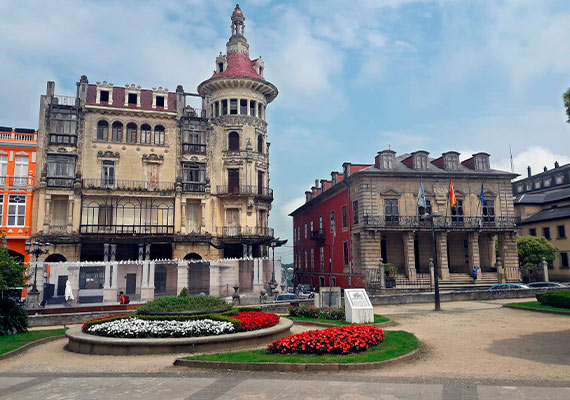
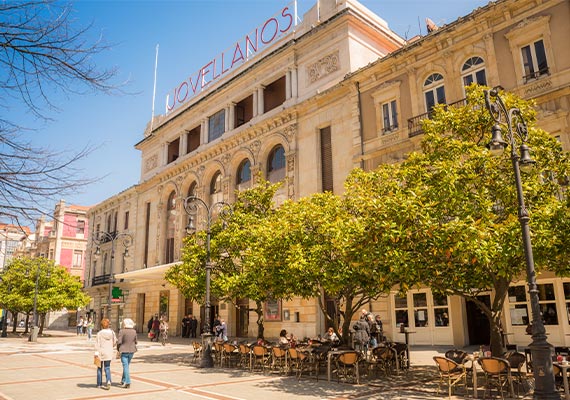
After the short “break” from the previous day, we are now facing one of the most difficult stages of the entire journey. This is because there are two significant actions. The first is a few kilometers before the start of the stage in Niévares, Alto de la Cruz, where we have to climb more than 300 meters. The second, the Collado del Infanzón, immediately after the descent to Peón, where we climb again, this time only 200 meters, a more pleasant and easier ascent. We continue our way to Deba and walk the last kilometers to Gijón. Gijón is the most populous city in Asturias. It is worth getting lost in the old town and enjoying the Plaza Mayor, the Casa Museo de Jovellanos, the Church of San Pedro and the Palacio de Revillagigedo.


Accommodation in Gijon.

Day 24: Gijón - Avilés (25.4 km ~ 6 hours)

Difficulty level: medium.

We leave Gijón to enter a green and rural landscape. The profile of the stage is quite simple, without much worry. We drive through small towns like Pavierna and Santa Eulalia, where the Church of Santa Eulalia is located. The rest of the route follows the course of the Ría de Avilés. Avilés ended today's stage. It is an industrial city, but also has an interesting old town. As sights we can mention the Plaza de España with the town hall and the Palace of the Marquis of Ferrera (currently a hotel), the Church of San Nicolás de Bari and the Palace of García Pumarino.


Accommodation in Aviles.

Day 25: Avilés - Soto del Barco (19 km ~ 5 hours)

Difficulty: easy.

Today we return to a more rural and coastal landscape. Leaving the city behind, we follow trails through eucalyptus woods, green fields, and small Asturian villages like Salinas and San Juan de la Arena, where you can enjoy delicious fresh fish. Soto del Barco, sitting by the Nalón estuary, feels like a calm, necessary pause in the journey. A good day for walking, reflecting — or simply being.


Accommodation in Soto del Barco

Day 26: Soto del Barco - Soto de Luiña (20 km ~ 5 hours)

Difficulty level: medium.

The Camino regains its natural beauty. We cross valleys, tree-lined paths, and villages that feel like time capsules. The climb to Alto del Palicio challenges the legs, but the views more than compensate. Arriving in Soto de Luiña is especially meaningful. Here, you can feel the deep roots of the Camino’s history.


Accomodation in Soto de Luiña

Day 27: Soto de Luiña - Ballota (12 km ~ 3 hours)

Difficulty level: easy.

A short but stunning stage — perfect for recharging or taking your time. You can follow the coastal variant, which offers spectacular cliffs, beaches, and panoramic viewpoints. Ballota is a tiny village in western Asturias, surrounded by meadows and authenticity. A peaceful stop to reconnect with the simplicity of the Camino.


Accommodation in Ballota.

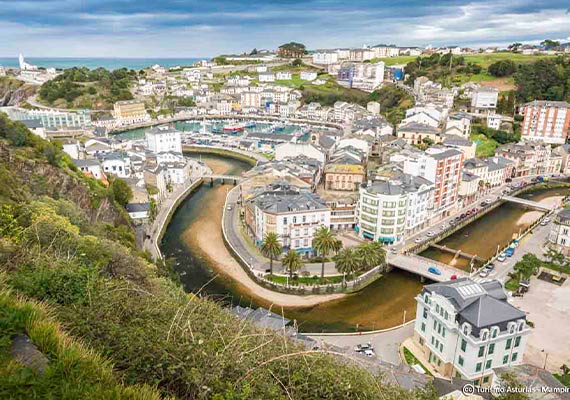
Day 28: Ballota - Luarca (23.7 km ~ 6 hours)

Difficulty level: easy.

As at the end of the previous day, the first kilometers of this new day take us close to the coast, with a view of the beaches and towering cliffs as far as Cadavevo. From here we return to go through further inner landscapes. It is a fairly quiet and easy stage, we come through small towns such as San Cristóbal or Querúa. The only notable difficulty on the stage is the short but steep climb at the exit of the Hotel Canero, which once passed the small town of Chano de Canero. Once that climb is over, the rest is a breeze. We are a few kilometers from the end of the stage, Luarca. It is a small but nice fishing village.


Accommodation in Luarca.

Day 29: Luarca - Navia (20.1 km ~ 5 hours)

Difficulty level: easy.

The first kilometers from Luarca are ascending but moderate. We cross the Barayo River and descend to Villapedre. The stage is far from the coast, we cross numerous cities and spend a large part of the route near a national road. Nevertheless, the rivers will continue to be our travel companions. Our destination today in Navia.


Accommodation in Navia.

Day 30: Navia - Ribadeo (31.7 km Tol option - 32.8 km Tapia de Casariego option ~ 8 hours)

Difficulty level: easy.

Today's stage begins with a choice: Tol or Tapias de Casariego? The Tapias de Casariego option takes us along the coast, while Tol leads us inland. Both itineraries have no unevenness problems, but it is advisable to choose Tapias de Casariego as this option offers more cities and therefore more services. In addition, Tapias de Casariego is a fishing village with a beautiful harbor. In each of the two routes we have to cross the Ría del Eo to get to Ribadeo and therefore to spend our first night in Galicia. We are getting closer.


Accommodation in Ribadeo.

Day 31: Ribadeo - Villamartín Grande (18.6 km ~ 4 hours)

Difficulty level: medium.

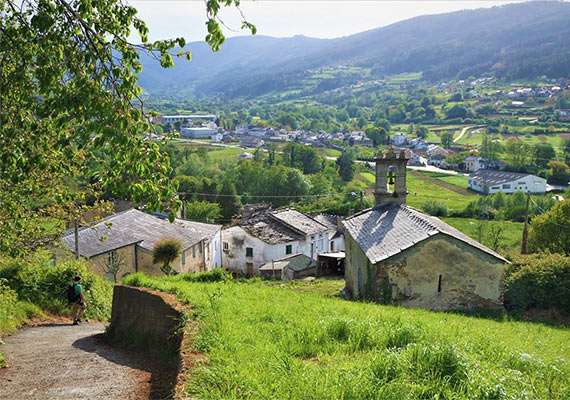
First day in Galicia. We move completely away from the coastal landscapes to start again with the mountainous arrangement. It is a short but intense stage. The first few kilometers of the day lead through flat terrain or with moderate slopes, but as soon as we reach A Ponte de Arante, we start a steep climb from 100 meters to almost 360 meters. As soon as we have overcome the ascent, we are only a few kilometers from today's destination, Villamartin Grande.


Accommodation in Villamartin Grande

Day 32: Villamartín Grande - Mondoñedo (17.9 km ~ 4 hours)

Difficulty level: easy.

The day begins with a flat descent to Gondán. After the day before, it will be an agreeable stage. We climb a bit to the church of San Xusto and continue on the Batán river to Vilanova de Lourenzá. We have an ascent again that leads us to Arroxo. The rest of the route has very moderate gradients. We finally arrive in Mondoñedo. The cathedral and old town of Mondoñedo have been declared a historical-artistic site.


Accommodation in Mondoñedo

Day 33: Mondoñedo - Abadín (16.6 km ~ 4 hours)

Difficulty level: easy.

Today's stage leads us through the inner plateau of Lugo, known as Terra Cha. On this day we only climbed moderately from 100 to over 500 meters, so that no great effort is required. On our way we pass small villages like O Vilar or Lousada until we reach Abadín.


Accommodation in Abadin.

Day 34: Abadín - Vilalba (20.8 km ~ 5 hours)

Difficulty level: easy.

Pleasant stage through flat land, green meadows and forests that run parallel to a national road. The Anllo River and the Arnela River cross our path as well as small towns like As Paredes, Martiñan or O Campo do Cristo. We spend the night in Villalba, the capital of Terra Chá. It is very worth seeing, the Torreón de los Condes de Andrade (currently it is a Parador).


Accommodation in Vilalba

Day 35: Vilalba - Bahamonde (19km ~ 5 hours)

Difficulty: easy.

A peaceful, transitional stage. We walk along rural tracks, chestnut and eucalyptus forests, and fields dotted with hamlets. The pace is set by the landscape, ideal for a day of introspection. Baamonde has a rich artisan tradition and is known as the home of Galician sculptor Víctor Corral, whose house became a museum.


Accommodation in Bahamonde

Day 36: Bahamonde - Miraz (15 km ~ 4 hours)

Difficulty level: easy.

A short stage meant to be walked slowly. The path winds through tiny villages, traditional hórreos, old washing stations, and trails surrounded by nature. Miraz is a symbolic stop for many pilgrims: remote, humble, peaceful. A place to rediscover silence and reconnect with yourself and others on the Camino.


Accommodation in Miraz.

Day 37: Miraz - Sobrado dos Monxes (25 km ~ 6 hours)

Difficulty level: high.

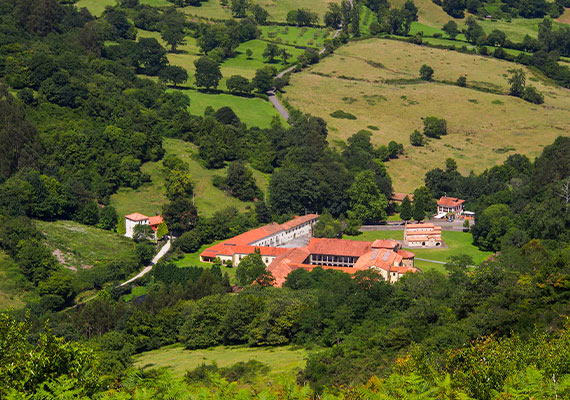
A long but spiritually rich stage. Sobrado dos Monxes is home to the most important Cistercian monastery on the Camino del Norte. The day unfolds through rural paths, gentle hills, and tiny hamlets. And at the end, the monastery rises among the trees like a beacon of peace. Many pilgrims choose to sleep inside the monastery for the full experience.


Accommodation in Sobrado dos Monxes.

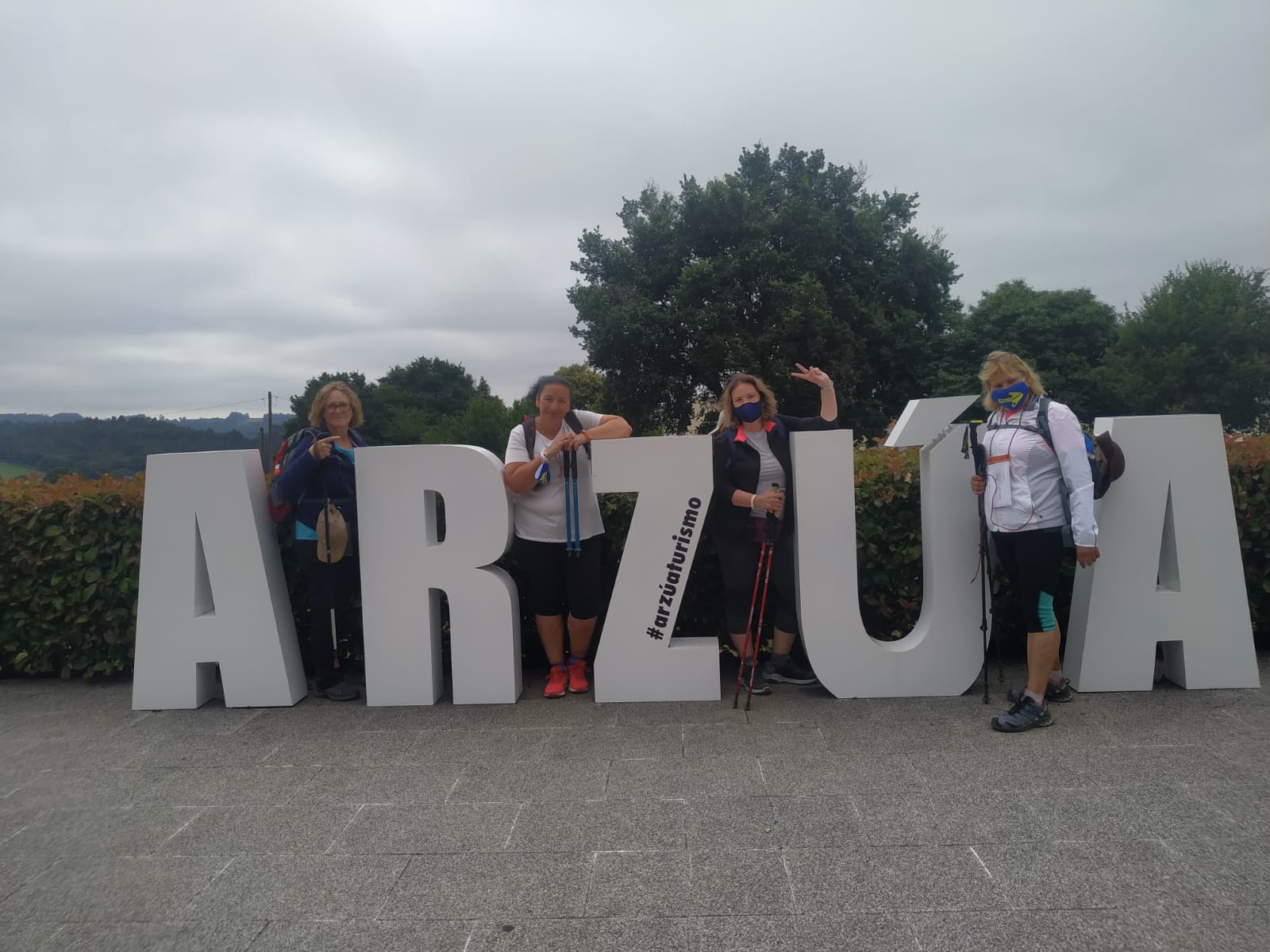
Day 38: Sobrado dos Monxes - Arzúa (22 km ~ 5 hours)

Difficulty level: easy.

Last stage on the north route. We say goodbye with a simple tour without major complications. We leave the dirt roads that have accompanied us in the past few days to re-enter paved roads. The rural landscape that has guided us is also changing to make way for more urban areas. Our stage ends in Arzúa, where we should not miss the opportunity to try the famous cheeses.


Accommodation in Arzua

Day 39: Arzúa - O Pedrouzo (19.3 km ~ 4 hours)
Day 39: Arzúa - O Pedrouzo (19.3 km  ~ 4 hours)

Difficulty level: easy.

Today we have a short and quiet stage ahead of us to record everything that was lived during the trip before arriving in Santiago the next day.


Accommodation in O Pedoruzo.

Day 40: O Pedrouzo - Santiago de Compostela (19.4 km ~ 4 hours)

Difficulty level: easy.

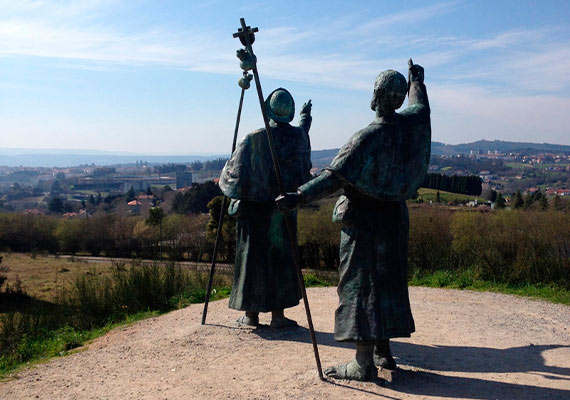
It is the last stage. We recommend leaving early to take part in the pilgrim mass, which is celebrated at 12:00 p.m. First we reach Lavacolla and continue climbing Monte do Gozo, where we can catch a glimpse of the long-awaited cathedral from a distance. Finally the Plaza del Obradoiro and the well deserved personal satisfaction of having reached this point.


Accomodation in Santiago de Compostela

Day 41: Santiago de Compostela.

Buen Camino & see you next time!

Included

  • Room with private bathroom
  • Breakfast included
  • Luggage transport for each stage on the way (max. 20 kg - 1 piece of luggage per person)
  • Guided Tour in Santiago de Compostela (old town)
  • Galician cheese tasting in Santiago
  • 24-hour emergency line
  • Detailed information with stage maps
  • Pilgrim pass
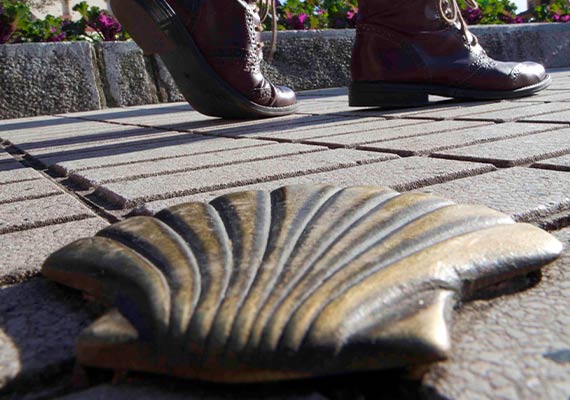
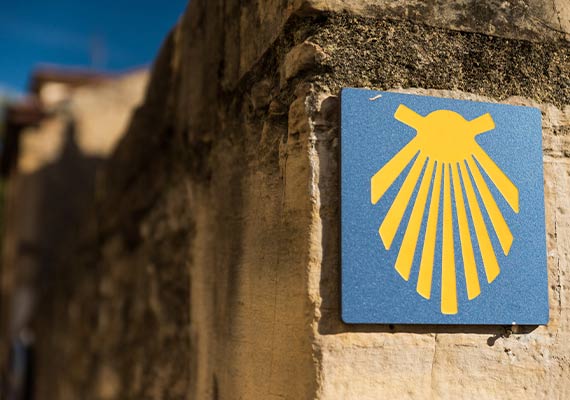
  • Pilgrim scallop
  • Travel Insurance

Optional

  • 3rd person disccount sharing room with 2 adults: 10%
  • Half board supplement: 25 € / person / night
  • Picnic Supplement: 15 € per person and day
  • Private transfer to San Sebastián: on request
  • Private transfer to the airport: on request
  • One day tour Santiago - Fisterra: on request
  • One day tour Santiago - Rías Baixas & Wine Tasting: on request
  • One day tour Santiago - Rías Baixas, Wine Tasting & Boat Trip: on request
  • Extra piece of luggage: €8 per stage and piece of luggage (maximum 20 kg)
  • Extra nights: on request
  • Travel cancellation insurance

Tour's Location

Created with Sketch.
from 5.800,00€

Inquiry


    Individual Room

    Double Rooms

    Triple Rooms


    I have read and accept the privacy policy of RUTAS MEIGAS SL as well as receiving advertising.

    I have read and accept the privacy policy of RUTAS MEIGAS SL but I am not interested in receiving advertising.

    You might also like

      Download catalog

      I have read and accept the privacy policyof RUTAS MEIGAS SL as well as receiving advertising.
      I have read and accept the privacy policy of RUTAS MEIGAS SL but I am not interested in receiving advertising.

        Do you have questions? Need help or guidance? Enter your name and number and we will call you.