700 €*
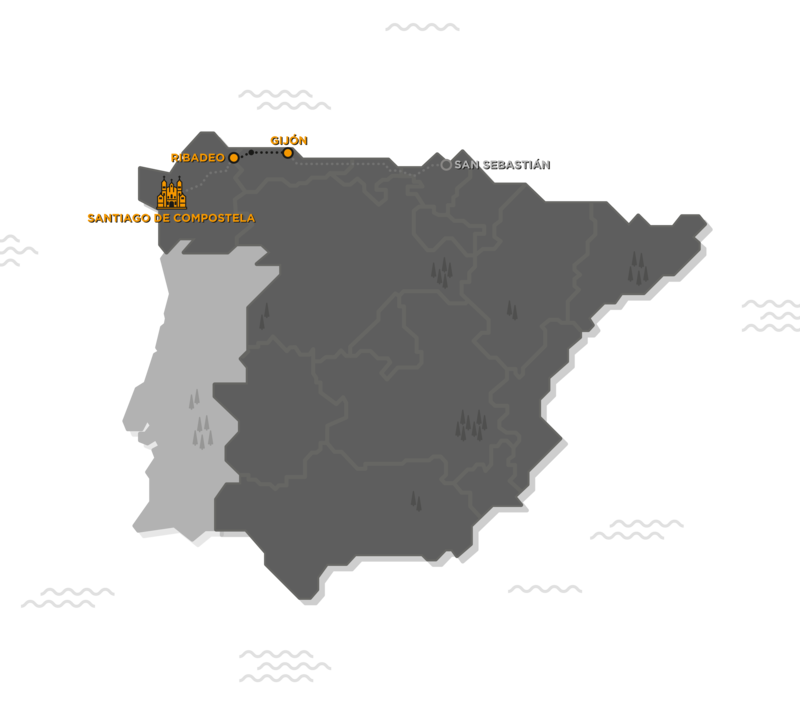
~ 154 km
9 days / 8 nights
Easy
*Price per person in a double room.
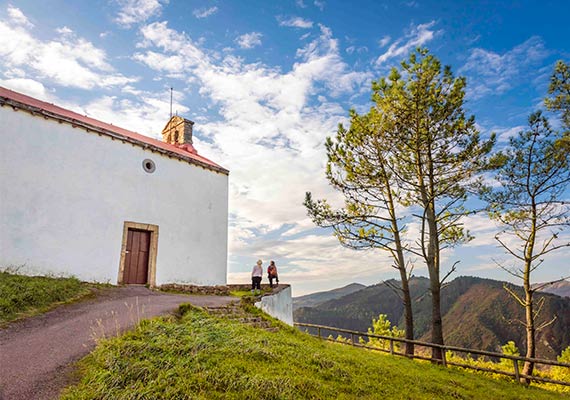
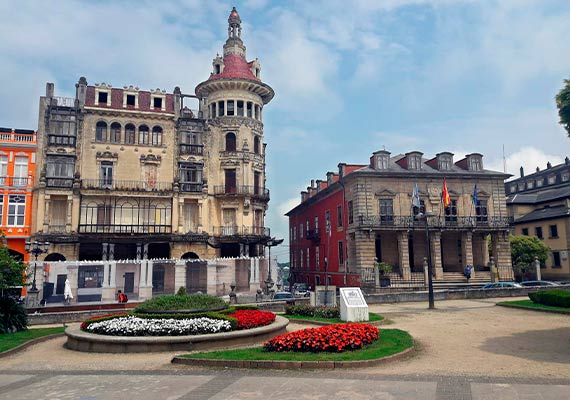
Gijón is the most populated city in Asturias. It is worth getting lost in its old town and enjoying its Plaza Mayor, the Jovellanos House Museum, the San Pedro church and the Revillagigedo Palace. Arrival in Gijón on behalf of the pilgrims.
Accommodation in Gijón.
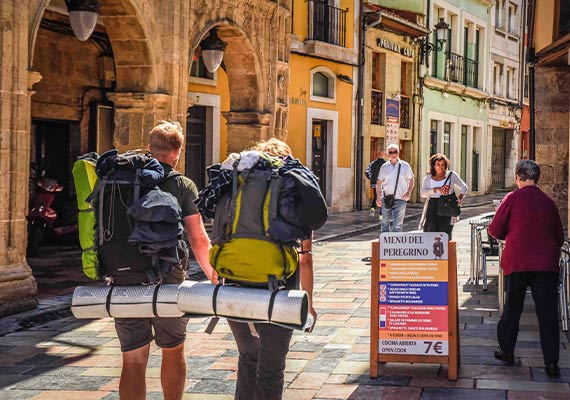
Difficulty level: medium.
We leave Gijón to enter a green and rural landscape. The profile of the stage is quite simple, without much worry. We drive through small towns like Pavierna and Santa Eulalia, where the Church of Santa Eulalia is located. The rest of the route follows the course of the Ría de Avilés. Avilés ended today's stage. It is an industrial city, but also has an interesting old town. As sights we can mention the Plaza de España with the town hall and the Palace of the Marquis of Ferrera (currently a hotel), the Church of San Nicolás de Bari and the Palace of García Pumarino.
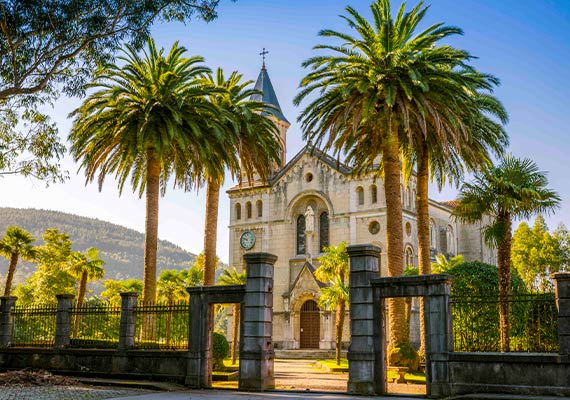
Difficulty: easy.
Today we return to a more rural and coastal landscape. Leaving the city behind, we follow trails through eucalyptus woods, green fields, and small Asturian villages like Salinas and San Juan de la Arena, where you can enjoy delicious fresh fish. Soto del Barco, sitting by the Nalón estuary, feels like a calm, necessary pause in the journey. A good day for walking, reflecting — or simply being.
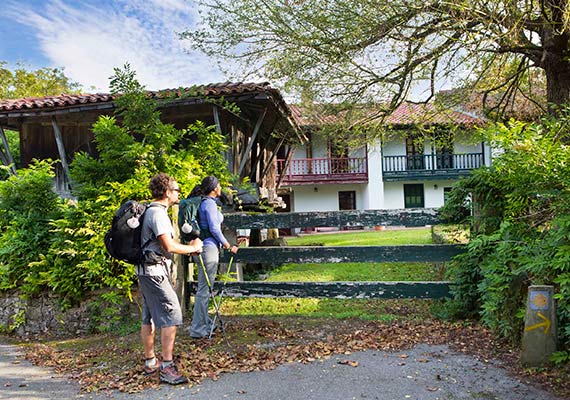
Difficulty level: medium.
The Camino regains its natural beauty. We cross valleys, tree-lined paths, and villages that feel like time capsules. The climb to Alto del Palicio challenges the legs, but the views more than compensate. Arriving in Soto de Luiña is especially meaningful, as its pilgrim hostel is housed in a former 18th-century hospital. Here, you can feel the deep roots of the Camino’s history.
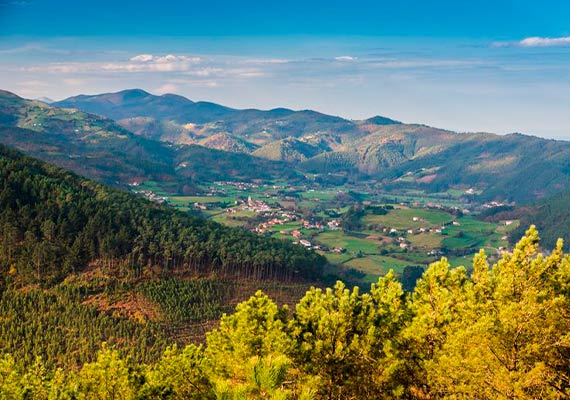
Difficulty level: easy.
A short but stunning stage — perfect for recharging or taking your time. You can follow the coastal variant, which offers spectacular cliffs, beaches, and panoramic viewpoints. Ballota is a tiny village in western Asturias, surrounded by meadows and authenticity. A peaceful stop to reconnect with the simplicity of the Camino.
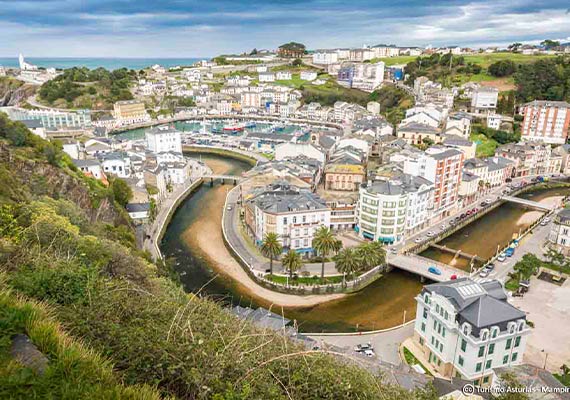
Difficulty level: easy.
As at the end of the previous day, the first kilometers of this new day take us close to the coast, with a view of the beaches and towering cliffs as far as Cadavevo. From here we return to go through further inner landscapes. It is a fairly quiet and easy stage, we come through small towns such as San Cristóbal or Querúa. The only notable difficulty on the stage is the short but steep climb at the exit of the Hotel Canero, which once passed the small town of Chano de Canero. Once that climb is over, the rest is a breeze. We are a few kilometers from the end of the stage, Luarca. It is a small but nice fishing village.
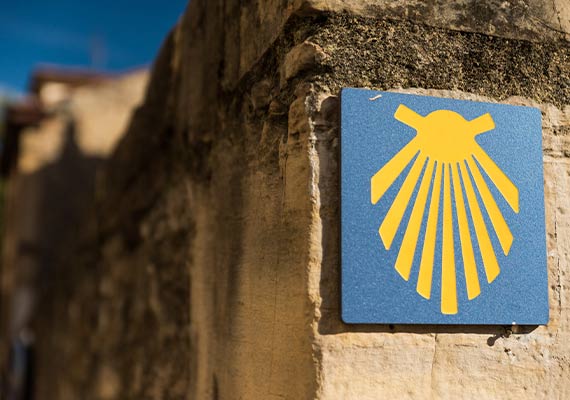
Difficulty level: easy.
The first kilometers from Luarca are ascending but moderate. We cross the Barayo River and descend to Villapedre. The stage is far from the coast, we cross numerous cities and spend a large part of the route near a national road. Nevertheless, the rivers will continue to be our travel companions. Our destination today in Navia.
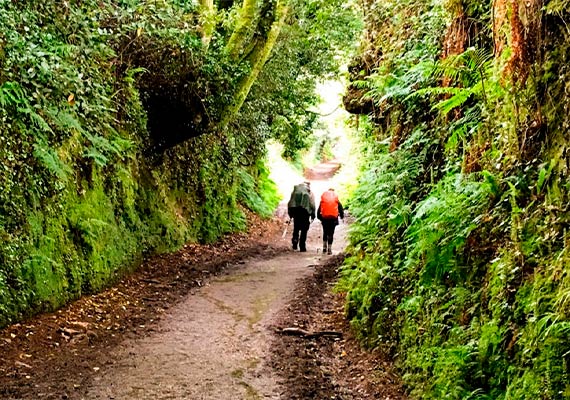
Difficulty level: easy.
Today's stage begins with a choice: Tol or Tapias de Casariego? The Tapias de Casariego option takes us along the coast, while Tol leads us inland. Both itineraries have no unevenness problems, but it is advisable to choose Tapias de Casariego as this option offers more cities and therefore more services. In addition, Tapias de Casariego is a fishing village with a beautiful harbor. In each of the two routes we have to cross the Ría del Eo to get to Ribadeo and therefore to spend our first night in Galicia. We are getting closer.
Buen Camino and see you next time!